
By Camille, private chef and founder of Guide MyTable
A family Christmas means presents under the tree, opened on the evening of the 24th or the morning of the 25th. But the celebration also happens at the table: it is the traditional French Christmas dinner, from oysters to the yule log, that leaves memories for years. Here is each dish, its origins and how our chefs revisit it, if you hand the meal over to a private chef for the réveillon.
Learn more about:
- Oysters
- Foie gras
- Smoked salmon
- Turkey with chestnuts
- Capon
- Game
- Cheese board
- Yule log
- The 13 desserts
Contents
Christmas revisited by our chefsScroll →
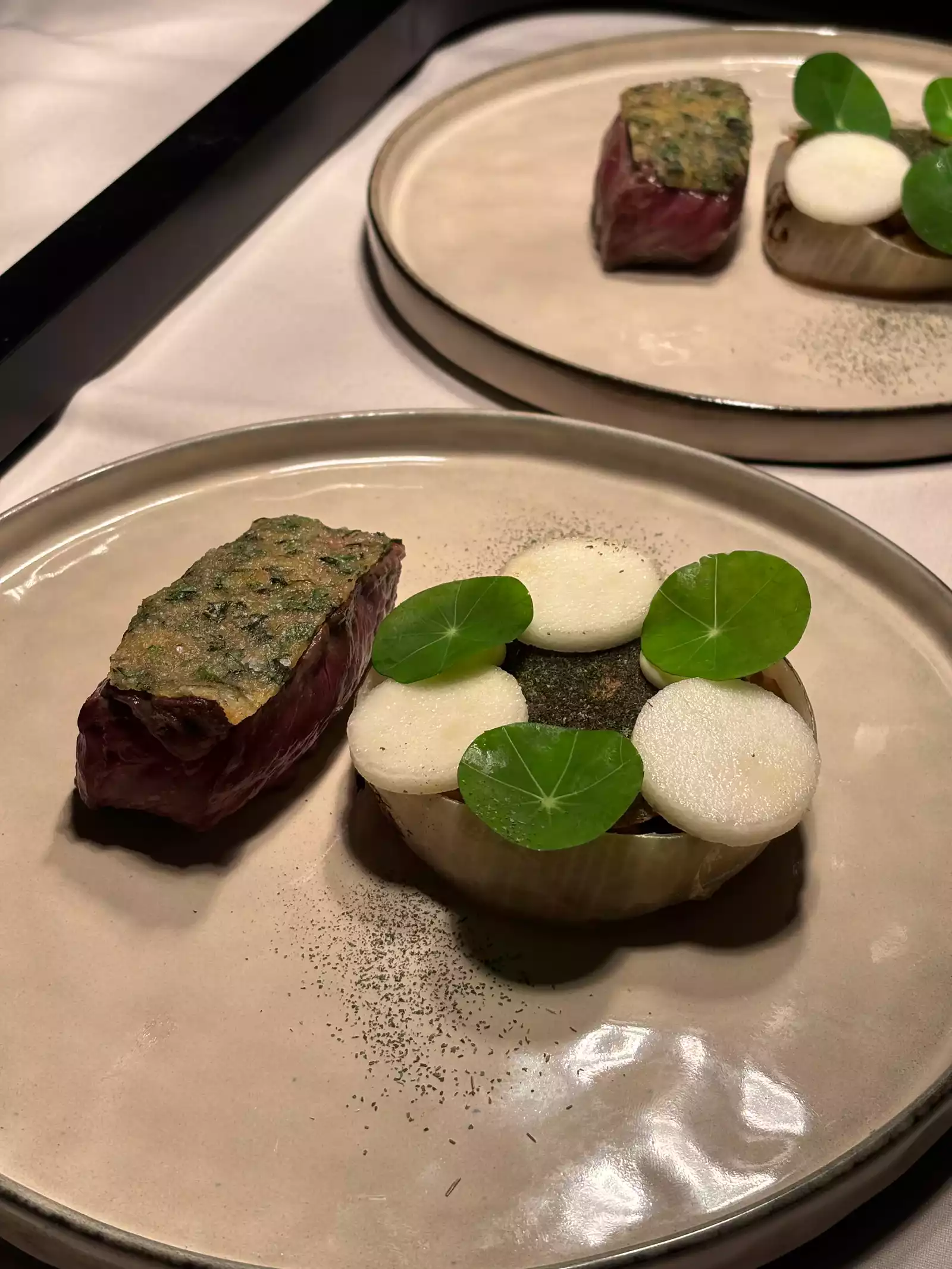
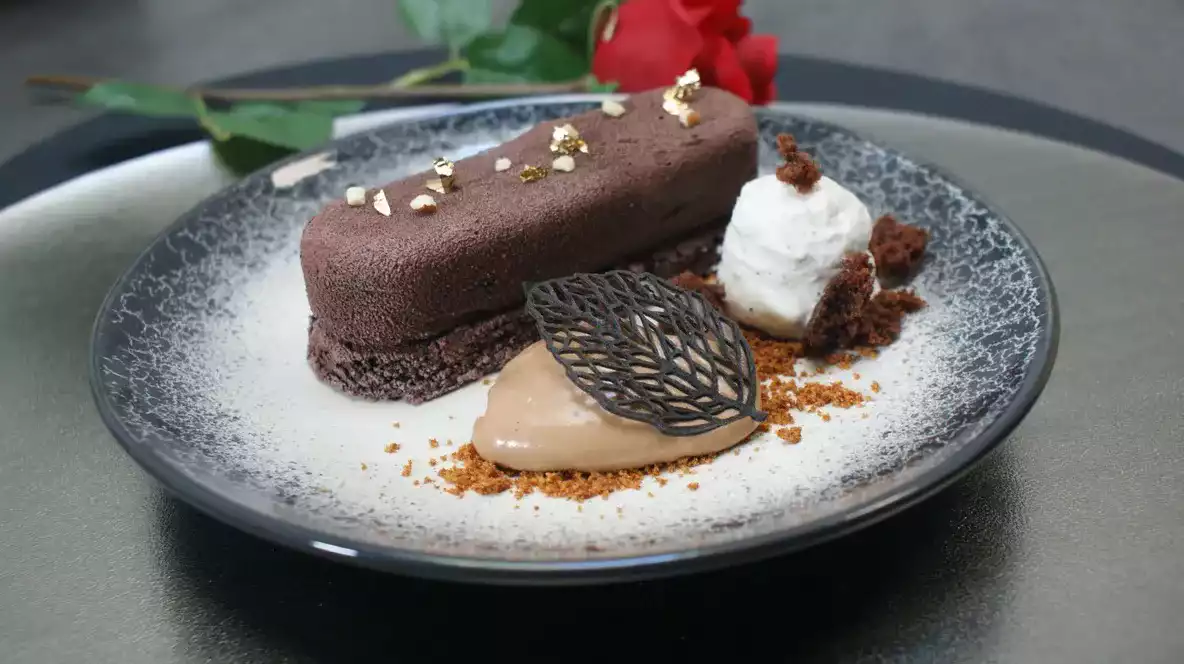
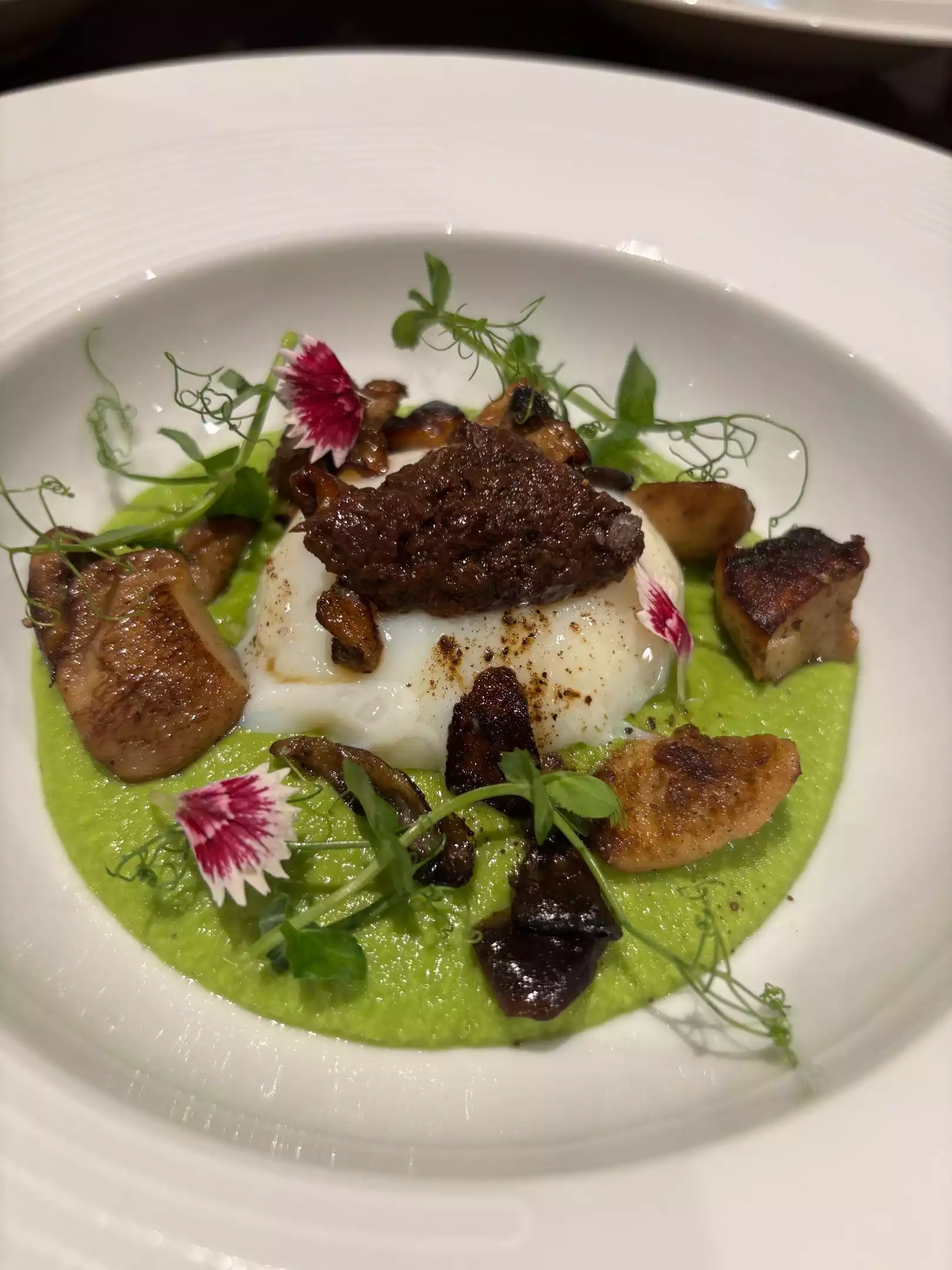
The dishes of the traditional French Christmas dinner, from aperitif to yule log
The French Christmas dinner is eaten on the evening of 24 December, at the réveillon, or at lunchtime on the 25th, depending on the family. The menu itself changes little: it brings together the produce that winter and the holidays make precious, served in the order of a French meal. It inherits an old rule, recalled by food historians: a lean meal on the evening of the 24th, then midnight mass, and on the way back a rich meal, the réveillon, when meat was allowed again.
Oysters
The traditionOysters are at their best in winter, during the months with an “r”, and the end-of-year holidays account for a large share of their sales in France. Served raw on a bed of ice, with lemon or a shallot mignonette, they open the meal gently.
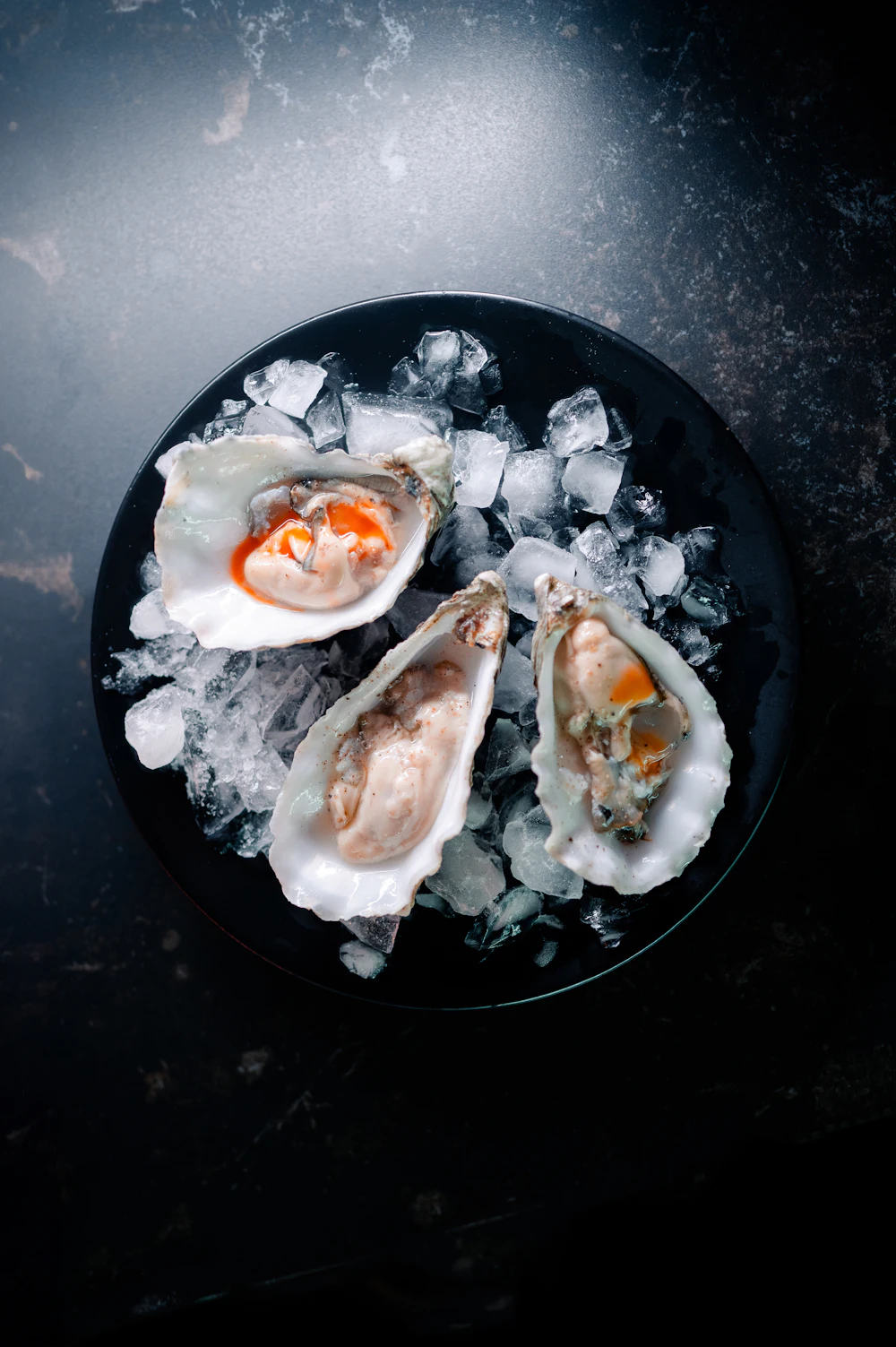
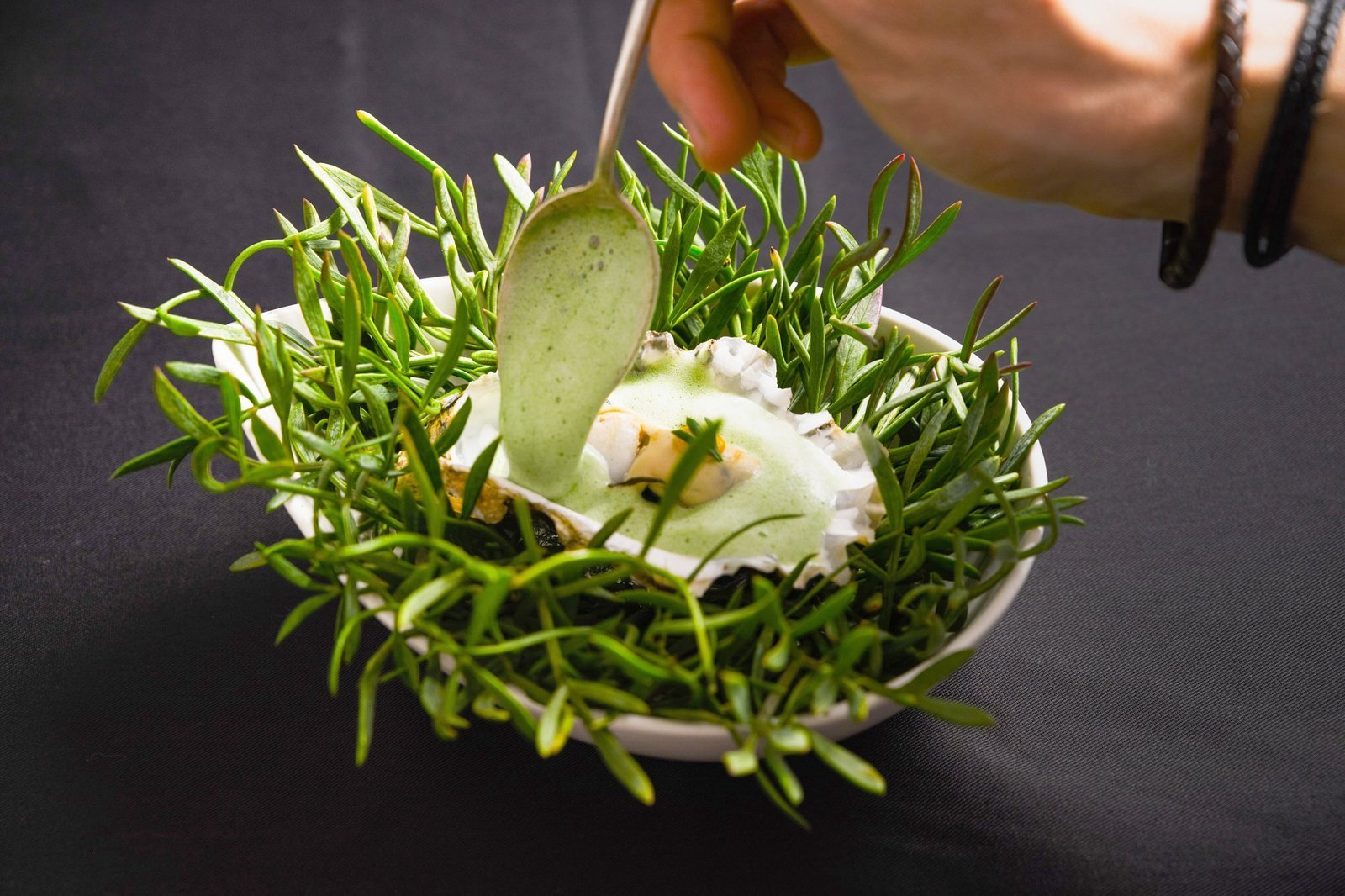
Chef Thibaud serves an open-sea oyster with a green apple granita, a yuzu gel and cucumber pearls: a fresh bite before the richer dishes.
Foie gras
The traditionFoie gras is the festive starter par excellence. Its tradition is rooted in the South-West and in Alsace, and since 2006 French law has recognised it as part of the protected cultural and gastronomic heritage. It is served mi-cuit, as a terrine, with gingerbread or toasted brioche and a fig chutney.
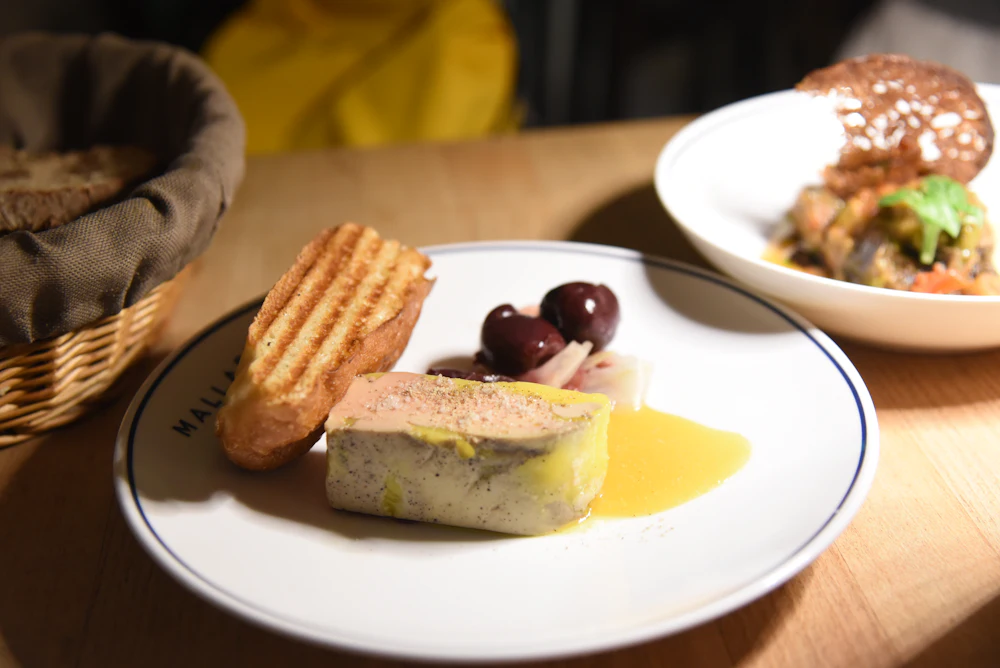
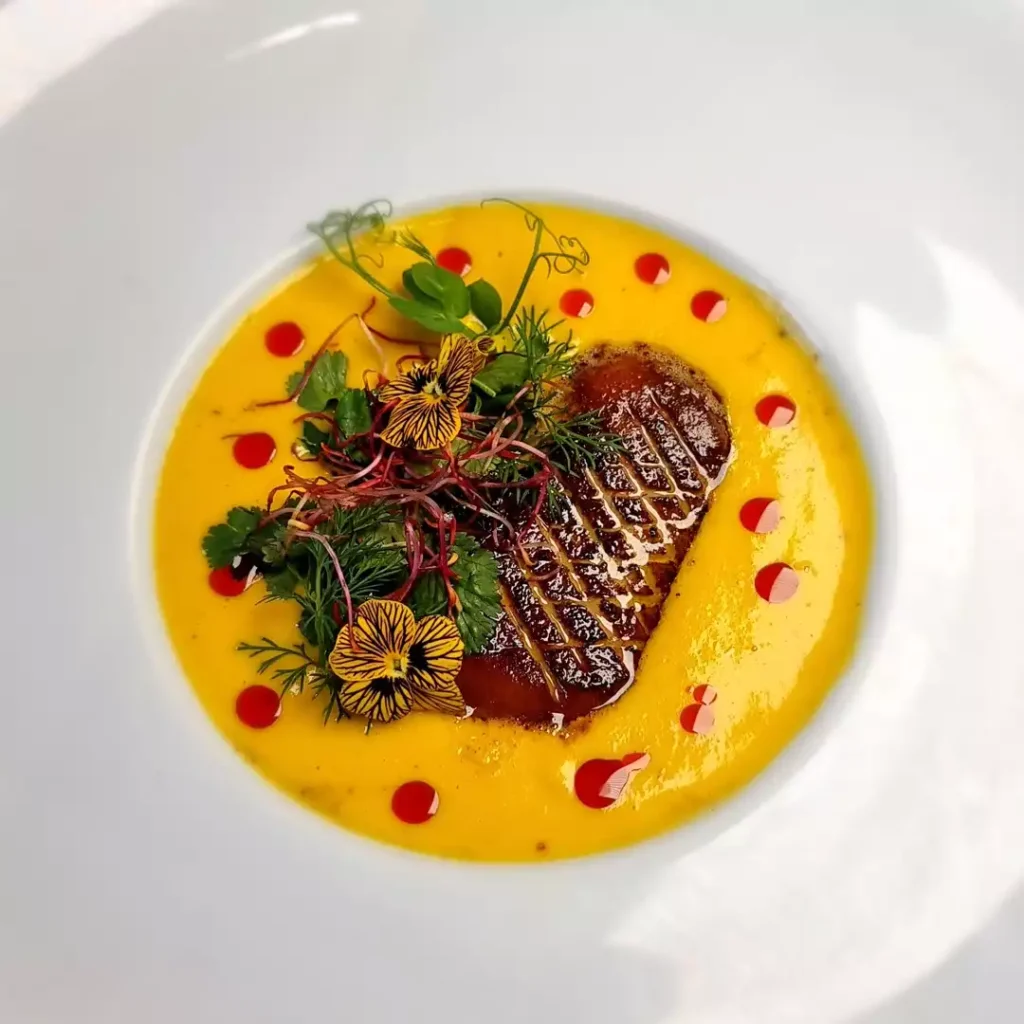
Chef Patricia serves it in brioche, French-toast style, with a Monbazillac jelly; Chef Johann pan-sears it at the last minute and pairs it with a carrot and ginger emulsion.
Smoked salmon
The traditionMore recent on Christmas tables, smoked salmon took hold at the end of the 20th century, when it became easy to find all year round. It is served in thin slices, with blinis, cream and dill, and pleases guests who like neither oysters nor foie gras.
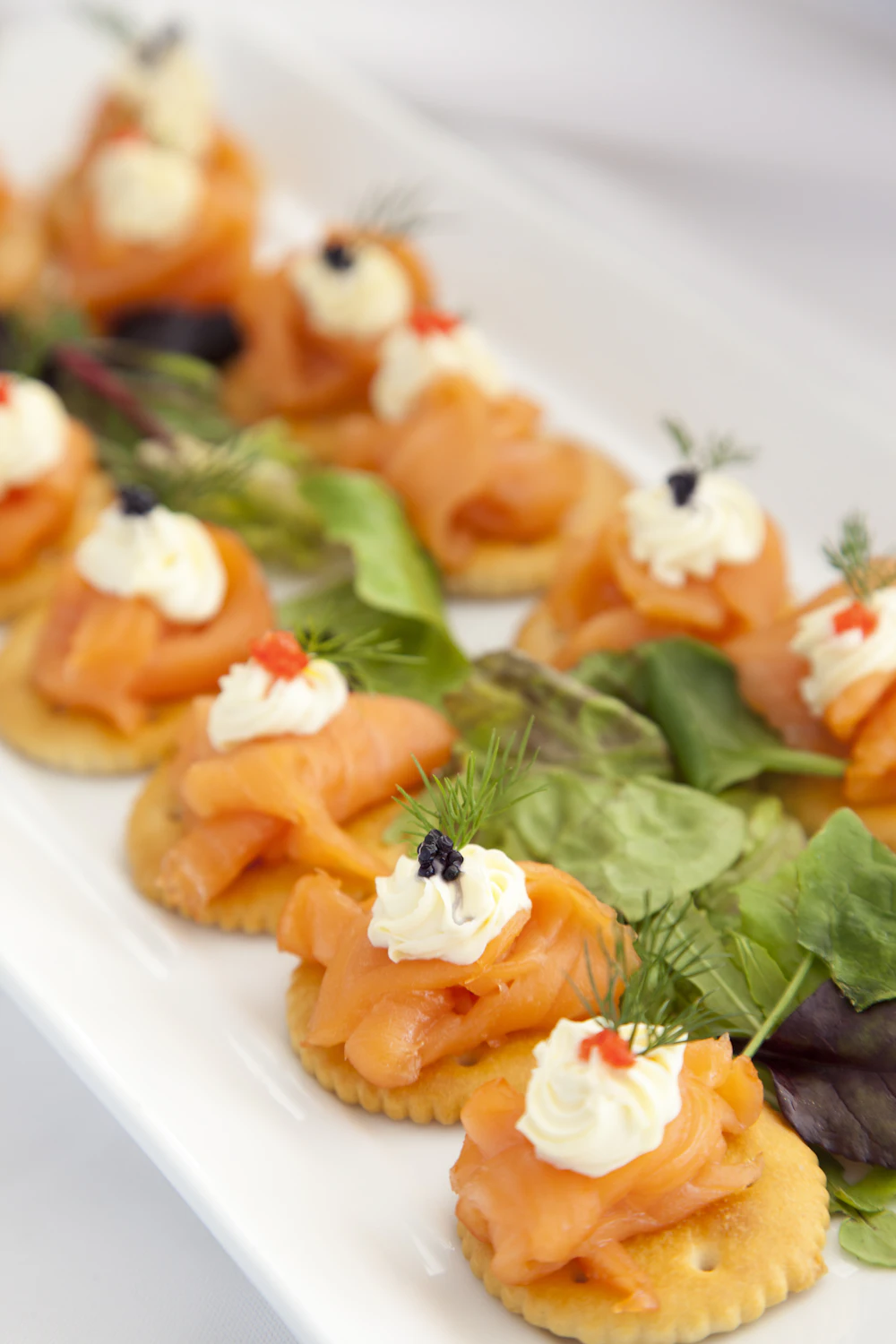
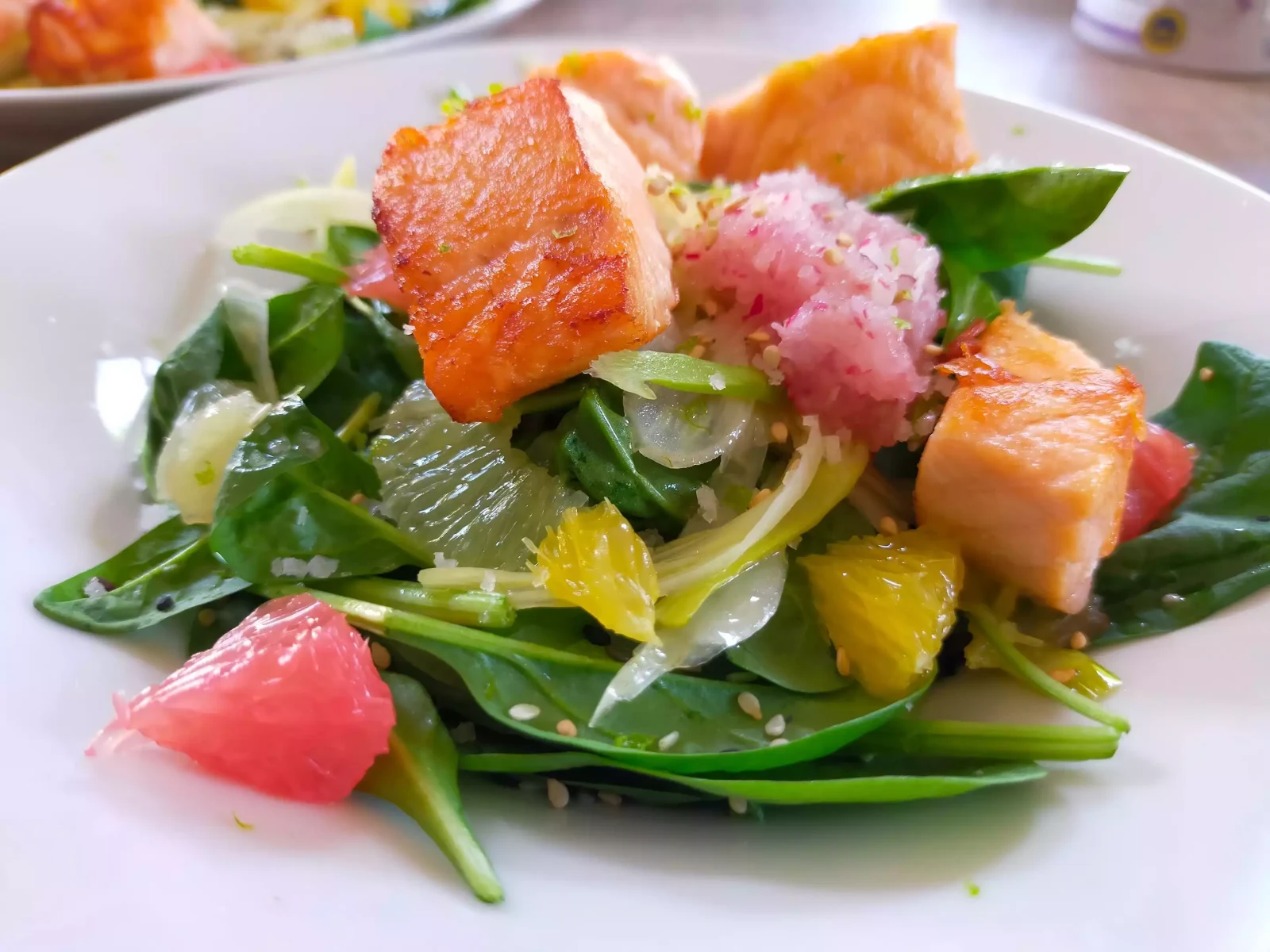
Chef Virginie makes it into a lighter fennel and smoked salmon mousse, served in small glasses with the aperitif.
Turkey with chestnuts
The traditionBrought from the Americas in the 16th century, turkey gradually replaced goose, which had been the festive bird on European tables. Stuffed and served with chestnuts, it remains the Christmas dish most associated with French tradition. A whole turkey easily feeds eight to ten people.
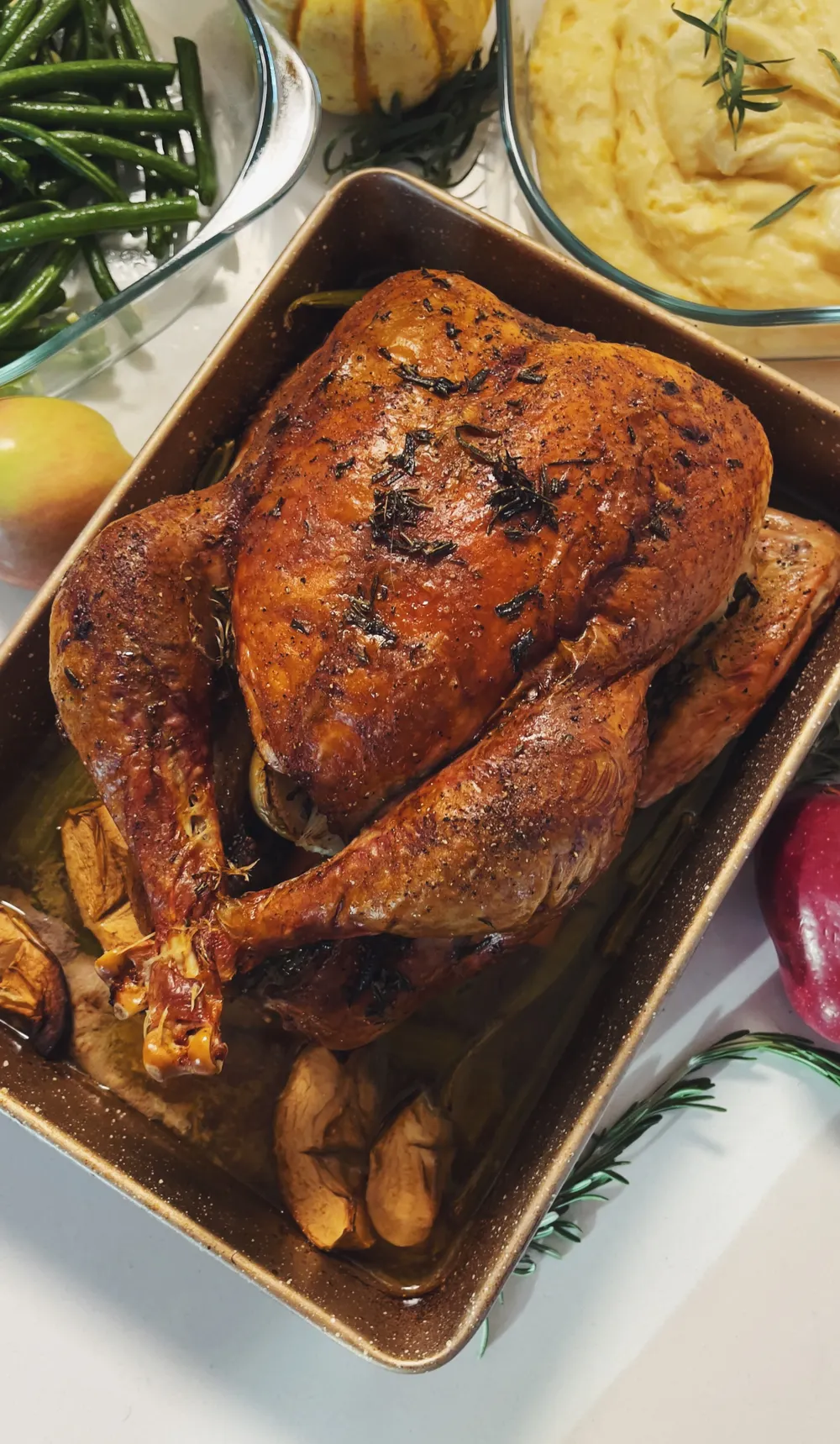
To revisit a whole bird, chefs bone it and roll it into a ballotine: it cooks more evenly and slices effortlessly. Chef Johann prepares a free-range chicken ballotine this way, with a pressed potato terrine, black truffle and mushrooms, an idea that works just as well with turkey for a smaller table.
Capon
The traditionA capon is a young castrated cockerel, raised and fattened for several months to give tender, marbled meat. Free-range capons are often ordered in advance from poulterers, and Bresse poultry, protected by an appellation of origin, is the most renowned version. It is roasted whole and served with a wine or morel sauce, chestnuts and a purée.
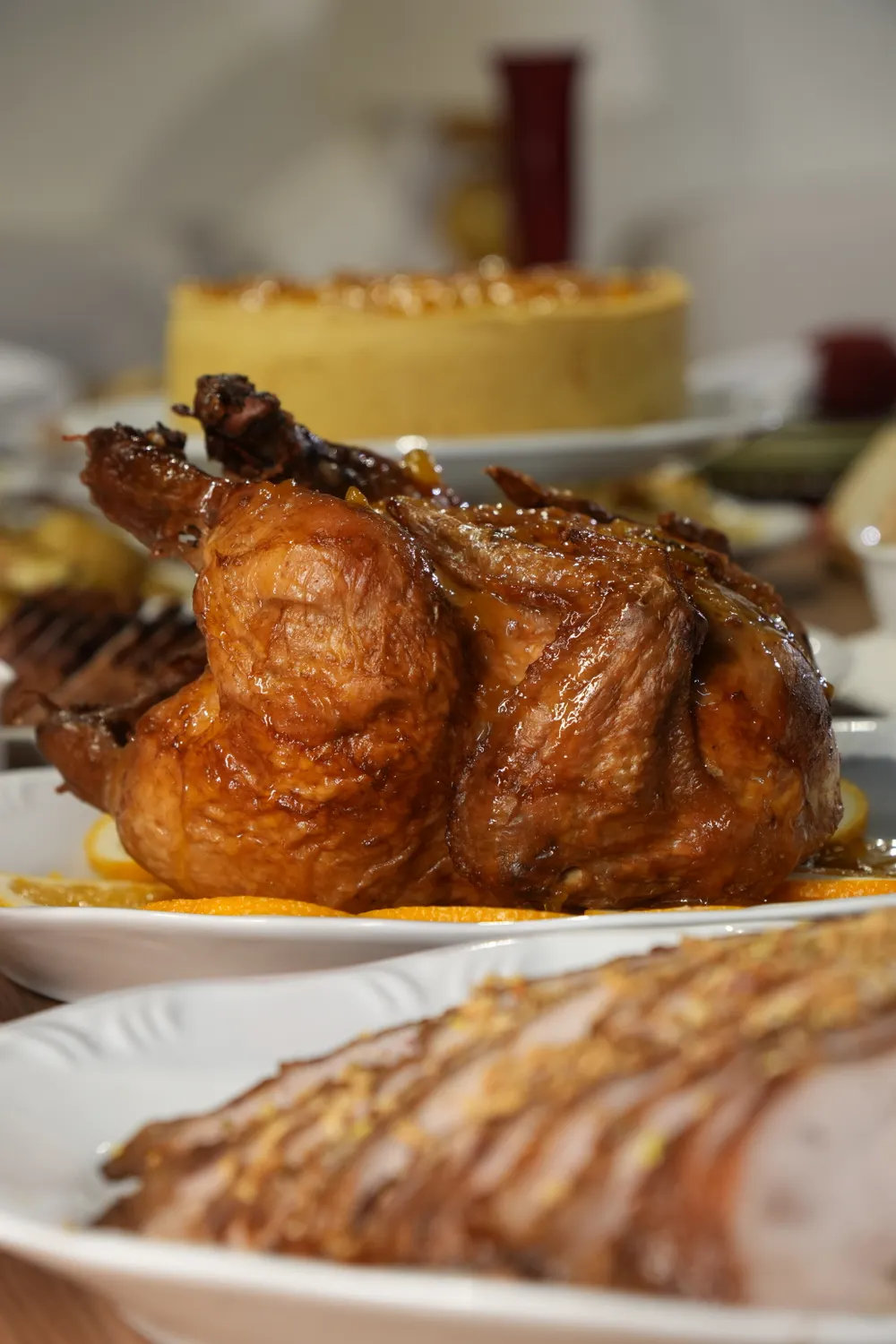
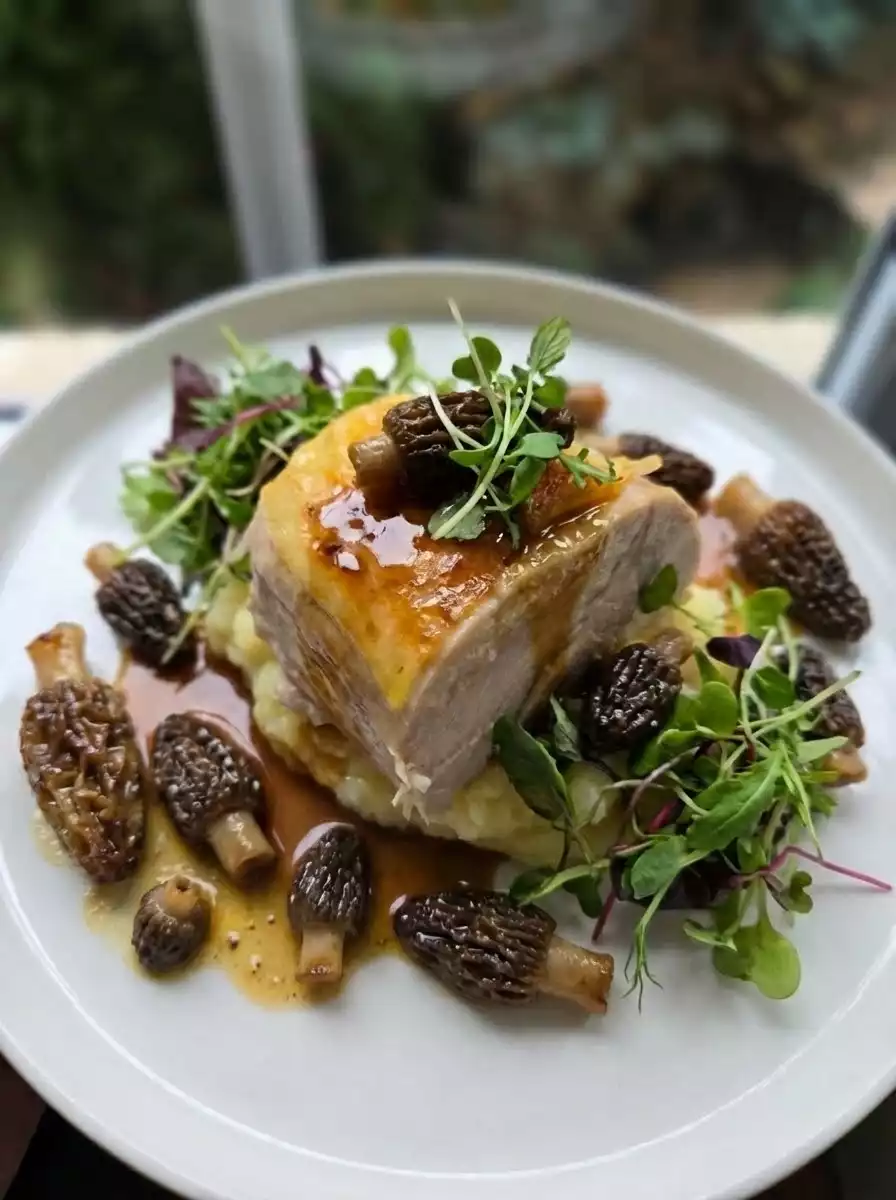
Chef Patricia serves capon with a champagne sauce, a creamy morel purée and baby winter vegetables. For a smaller table, Chef Eric offers a free-range poularde supreme with truffled mash.
Game
The traditionIn hunting regions, game readily takes the place of poultry: roe deer, venison or wild boar, roasted or slow-cooked as a civet, with winter fruit and a wine sauce. It is the most rustic version of the Christmas dinner.
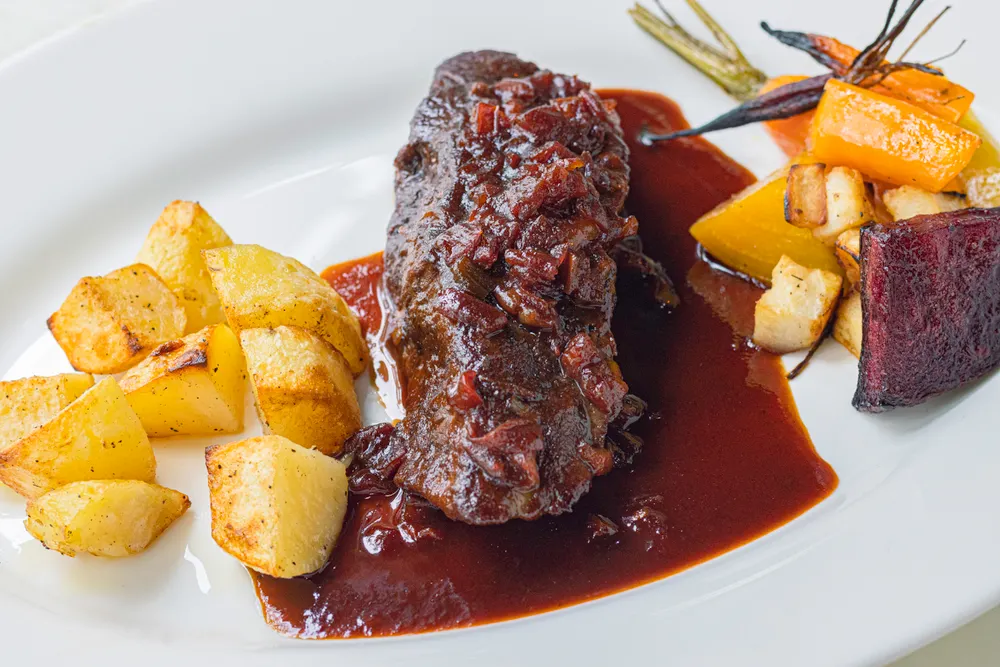
Chef Tom serves his venison with onions and pears, the classic pairing of game and fruit, plated.
The cheese board
The traditionIn a French meal, cheese comes after the main course and before dessert. At Christmas, the board brings together three to five cheeses from different families: a soft cheese, a pressed cheese, a goat's cheese, a blue. Brillat-Savarin, a triple-cream cheese named after the famous gastronome, is often part of the celebration.
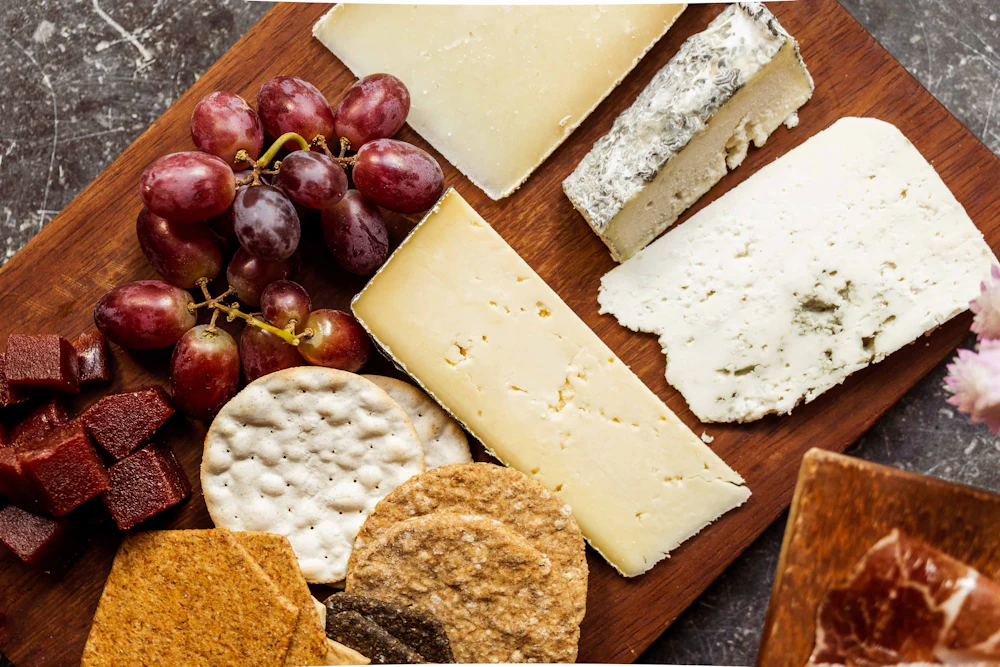
Chef Thibaud serves a single cheese, worked like a dish: an aged Brillat-Savarin with a saffron-poached pear and caramelised walnuts.
The yule log
The traditionThe pastry yule log recalls the large log that families burned in the hearth on Christmas night. It appeared in pastry shops at the end of the 19th century: a rolled sponge, filled with buttercream and decorated to imitate bark.
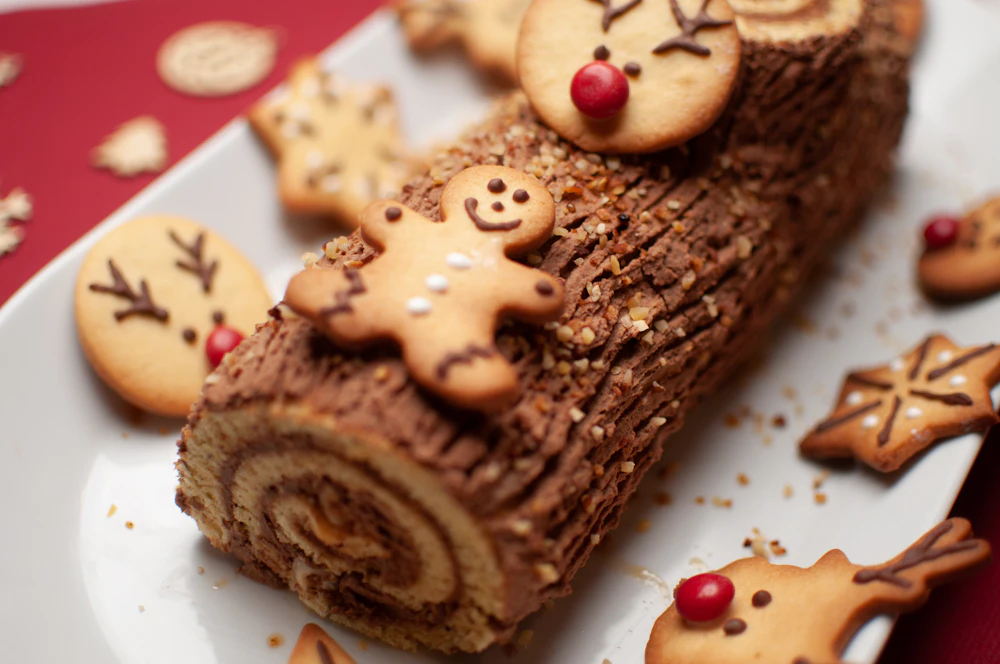
Chef Eric makes a vanilla yule log with a raspberry centre; Chef Patricia serves a small chestnut-cream vacherin, and Chef Thomas a chestnut fondant, to keep the flavours of winter.
Regional Christmas dinner traditions in France
The national menu has its variations. In some regions, the Christmas dinner keeps old rituals, handed down from generation to generation.
| Region | The tradition | What is served |
|---|---|---|
| Provence | The gros souper on the evening of the 24th, a lean meal served on three tablecloths, then the 13 desserts, a number first set down in writing in 1925, in reference to Christ and the twelve apostles. The list changes from one family to another. | What is servedAt the gros souper: salt cod, vegetables, cardoons. The 13 desserts most often: pompe à l'huile, white nougat, black nougat, the four mendiants (dried figs, almonds, hazelnuts, raisins), dates, quince paste, calissons, oreillettes, and fresh fruit such as mandarins or pears |
| Alsace | Small biscuits baked throughout Advent and offered to visitors | What is servedBredele, gingerbread, foie gras terrine, often a roast chicken or goose |
| South-West | The festive table of duck and poultry country | What is servedFoie gras, duck breast or confit, free-range capon, porcini sides |
| French Caribbean | The “chanté Nwel”, evenings of carol singing during Advent, then the family Christmas dinner | What is servedChristmas ham, pigeon peas, Creole blood sausage, and shrubb, a liqueur made with orange peel |
Four ways to celebrate Christmas at the table, with their dishes and rituals.
Hosting in the South? The private chefs of the PACA region know the produce of the gros souper and are happy to work with your family traditions.
The traditional French Christmas dinner in 2026: local, well-sourced and adapted to everyone
The menu stays the same, but the way it is chosen is changing. In our chefs' festive menus, two trends stand out this year: where the produce comes from, and a table that adapts to everyone's diet.
Produce whose origin you can read in the menu
Foie gras is no longer just “foie gras”, it is duck foie gras from the Landes; the trout comes from Les Fumades, the cream from Isigny, the sweet onion from the Cévennes. Our chefs name their producers and their terroirs, and choose according to the season and the region where they cook. Chef Lionel serves trout from Les Fumades with caviar from Château Castillone, and a fresh goat's cheese from the Puech farm for the cheese course.
A Christmas table for every diet
A vegetarian guest, an allergy, a child who does not eat fish, a table that eats halal or kosher: the Christmas dinner is now built around everyone. Our chefs adapt to these requests, as long as they know about them before the date. For a meat-free table, our article vegetarian Christmas dinner explains the dishes that replace the turkey.
The traditional menu revisited by our chefs
Revisiting the Christmas dinner does not mean replacing it. Our chefs' menus keep the expected produce, oysters, foie gras, poultry, cheese and a festive dessert, and change the way they are served: plated, in the right portions, with unexpected pairings. Here are two menus actually offered by Guide MyTable chefs.
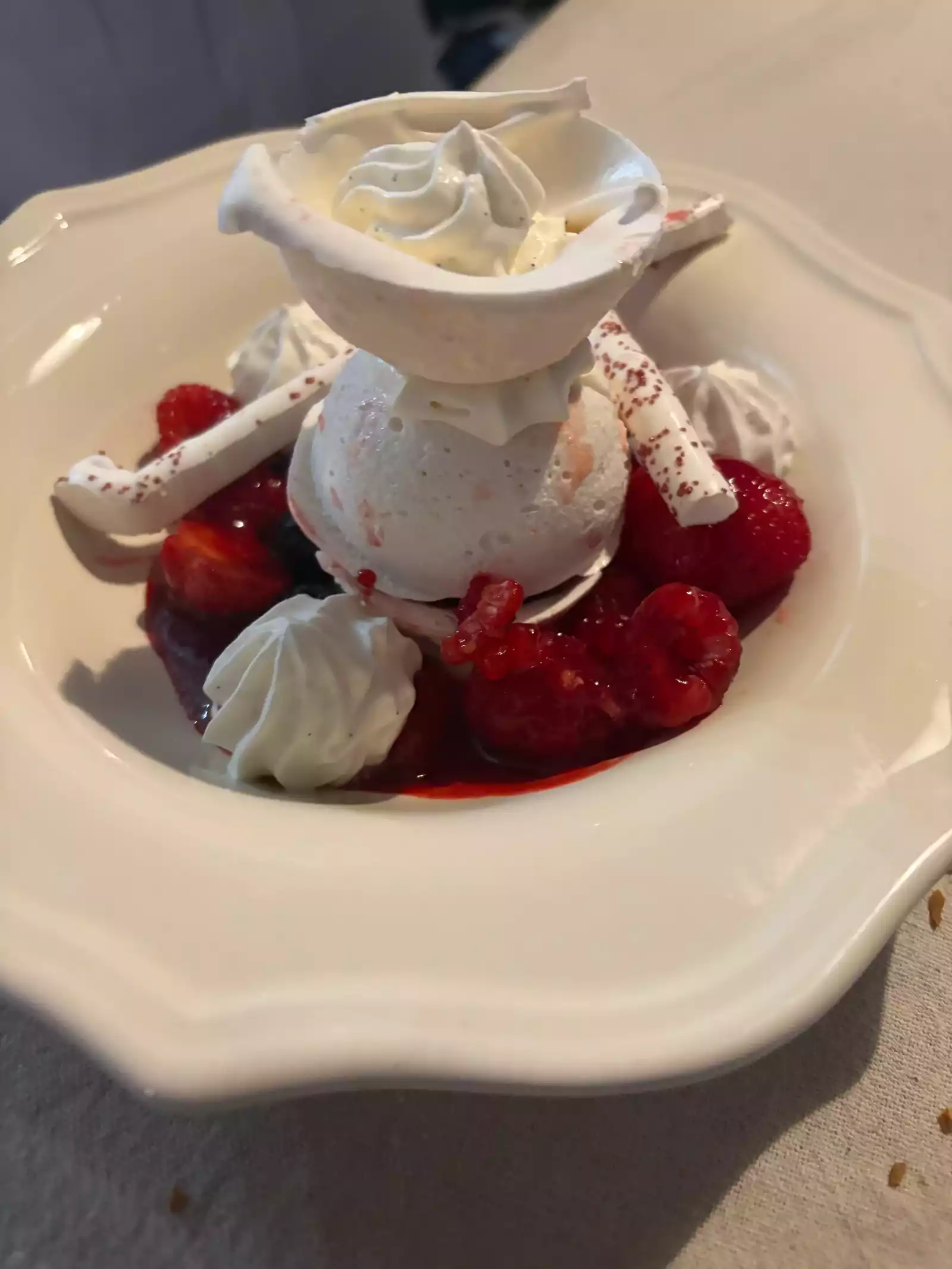
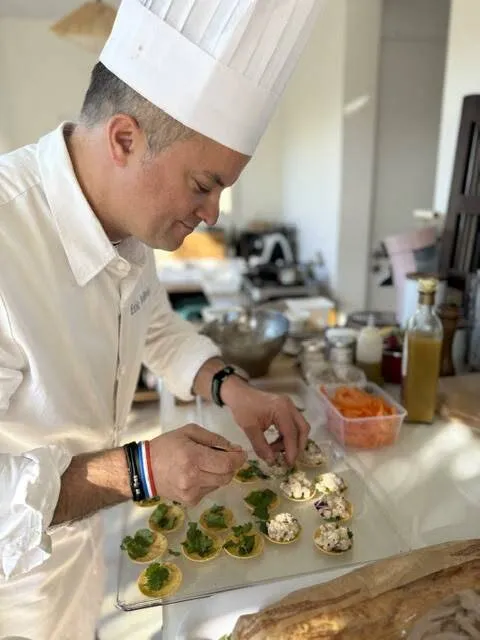 Chef EricFine Dining
- Toasted mini brioche, mi-cuit foie gras and fig chutney
- Pan-seared duck foie gras, Jerusalem artichoke millefeuille and grated truffle
- Free-range poularde supreme, truffled mash
- Vanilla yule log, raspberry centre
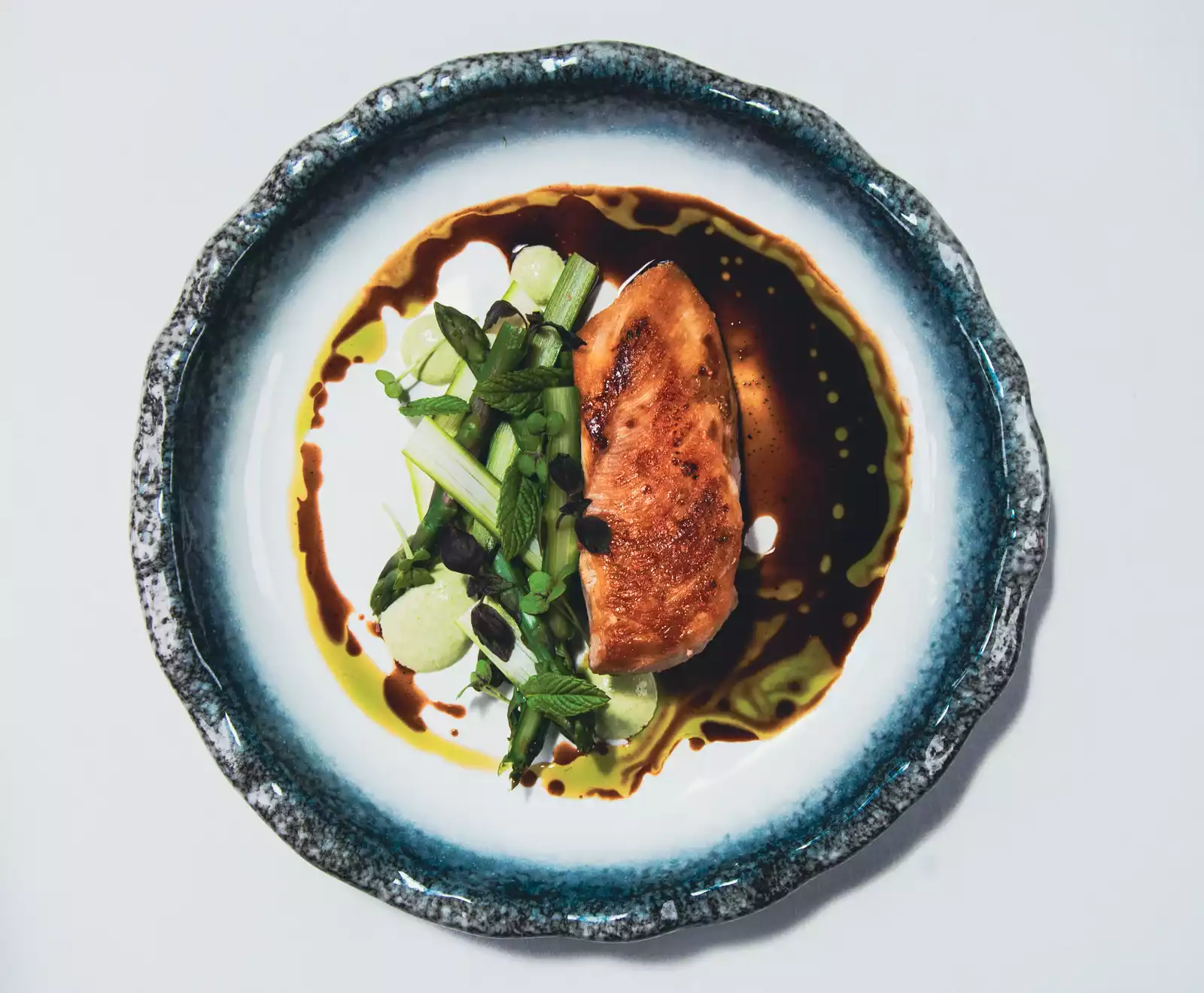
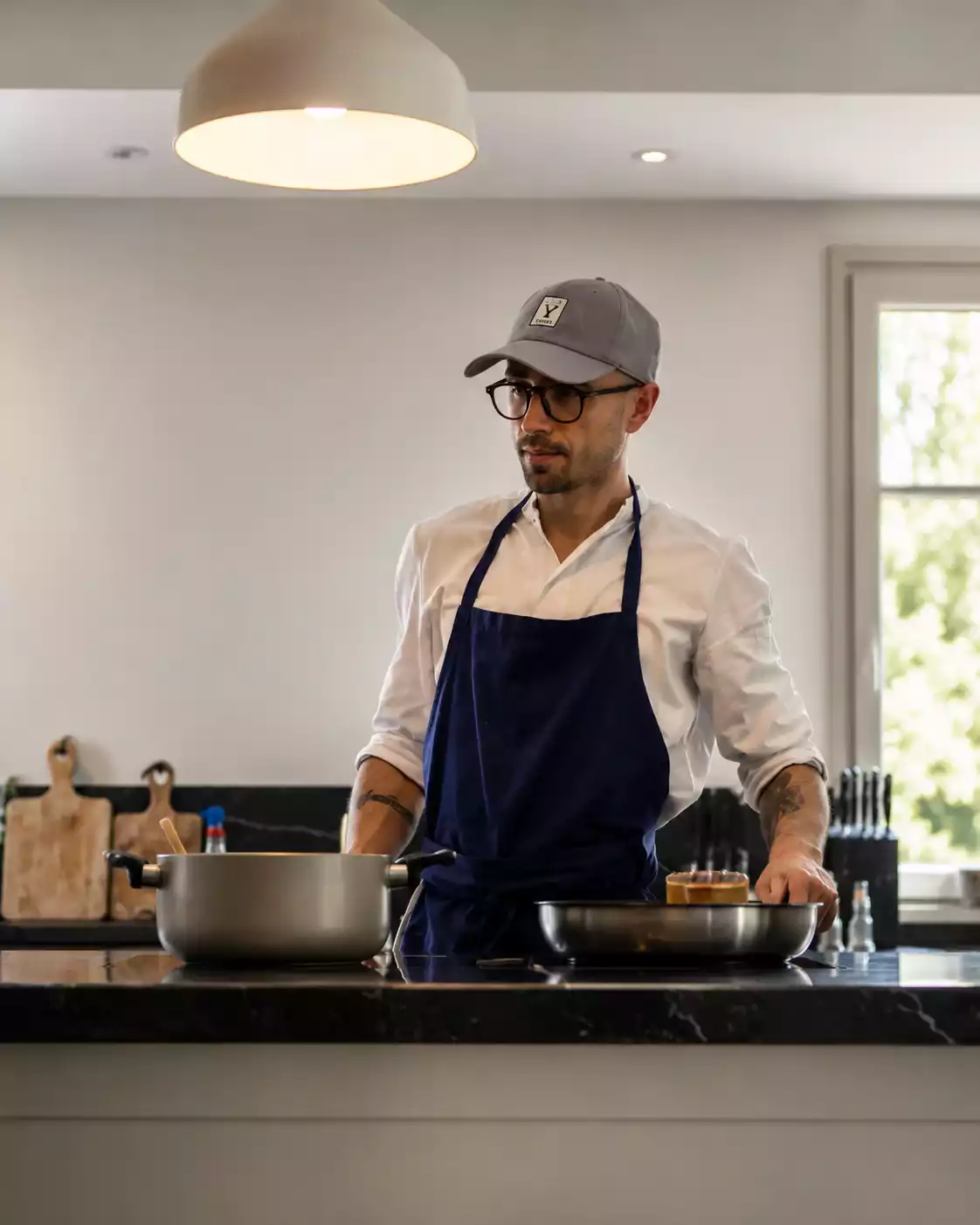 Chef ThibaudFine Dining
- Open-sea oyster, green apple granita and yuzu gel
- Mi-cuit duck foie gras from the Landes, beetroot and aged port
- Roast royal pigeon, glazed salsify and tonka bean jus
- Aged Brillat-Savarin, saffron-poached pear
- Grand cru chocolate, hazelnut praline and calamansi sorbet
Your family dishes have their place. Grandma's turkey, the chestnut stuffing from your childhood, the dessert everyone waits for: tell the chef before the date. They can keep your classics as they are, revisit them or work them into their festive menu.
Organising a traditional French Christmas dinner: quantities and timeline
If you cook yourself, two questions always come up: how much to buy, and when to start. Here are the usual guidelines for a full meal, from starter to dessert.
| Main course | Quantity per person | Good to know |
|---|---|---|
| Oysters | 6 as a starter, 12 as a main | Good to knowOpened at the last minute, kept cold and flat |
| Foie gras | 50 to 60 g as a starter | Good to knowA homemade mi-cuit is prepared 2 or 3 days ahead |
| Smoked salmon | 60 to 80 g | Good to knowTaken out of the fridge 15 minutes before serving |
| Poultry | 300 to 400 g, bone in | Good to knowA 3 to 4 kg capon for 6 to 8 people |
| Cheeses | 60 to 80 g in total | Good to know3 to 5 cheeses from different families |
| Yule log | 1 slice | Good to knowA 6 to 8 slice yule log for a table of 6 |
Guidelines for a full meal: reduce the quantities if the menu has several starters.
The timeline. Three weeks ahead, order the bird from your poulterer and, if you are hosting with a chef, book your date. One week ahead, settle the menu and the shopping list. Two or three days ahead, prepare the mi-cuit foie gras. The day before, assemble the yule log and make the sauces. On the day, put the bird in the oven about three hours before the meal and open the oysters just before sitting down.
A private chef for the 24 or 25 December dinner
A traditional Christmas dinner means a full day of cooking: the shopping, the bird to watch, the sauces, the plating, then the washing up. With a private chef, the host stays at the table. The chef does the shopping, cooks in your home, serves every course and leaves the kitchen clean. Drinks depend on each chef, from simple advice to supplying the bottles, and tableware can be added as an option.
The 24 and 25 December dates go quickly. To compare festive menus and book early, see our page private chef for Christmas and New Year's Eve.
At Christmas, tradition decides what arrives on the table; the chef decides how it arrives. Our chefs keep the dishes your family expects and give them the care of plated service. Merry Christmas, see you soon around your table!
Read also
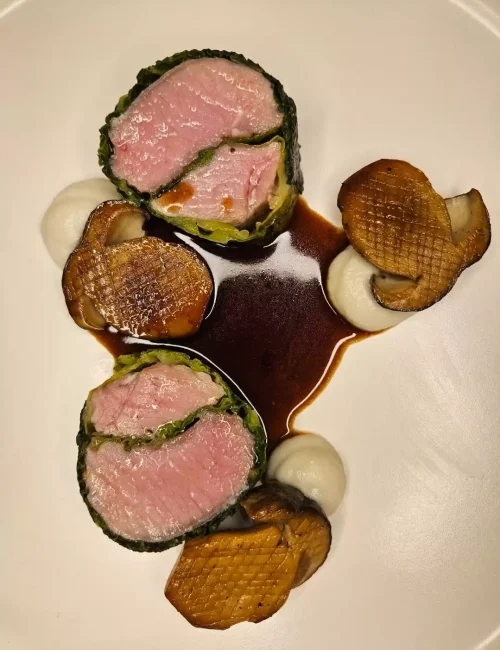 Chic and original Christmas dinner12 menu ideas created by our chefs
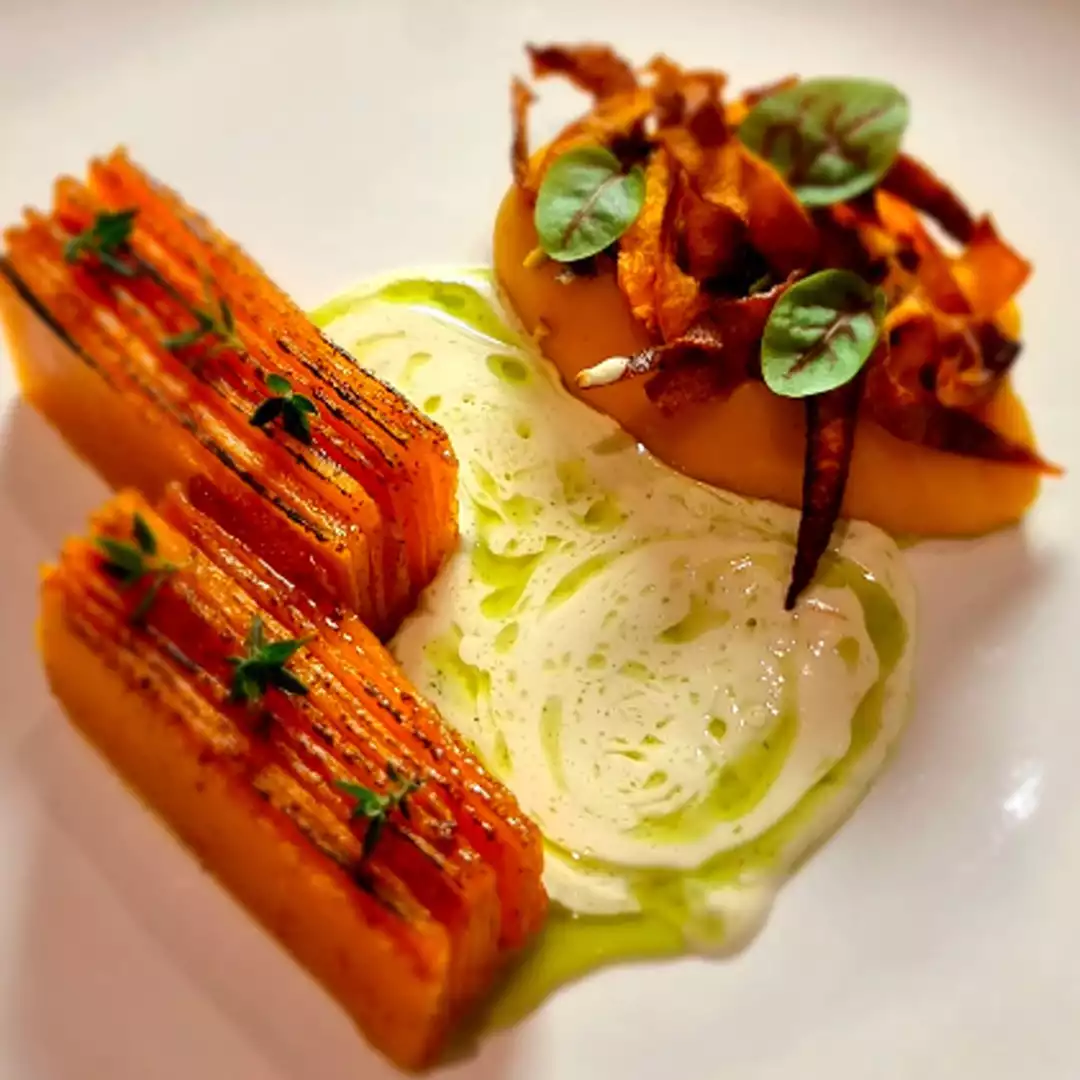 Vegetarian Christmas dinner4 festive menus the whole table will love
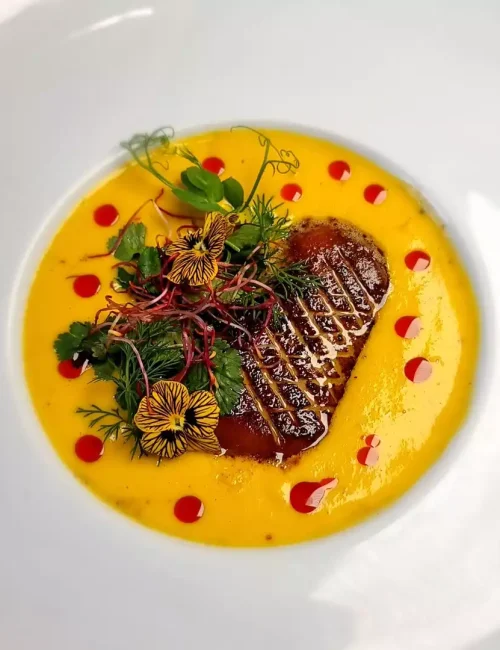 Christmas and New Year starters12 chefs' ideas, to prepare the day before
Frequently asked questions about the traditional French Christmas dinner
What are the Christmas food traditions in France?
The meal is eaten on the evening of 24 December, at the réveillon, or at lunchtime on the 25th. It follows the order of a French meal: aperitif, a cold starter such as oysters or foie gras, roast poultry, a cheese board, then the yule log. Some regions keep their own rituals, such as the gros souper and the 13 desserts in Provence or bredele biscuits in Alsace.
What are the most popular Christmas dishes in France?
Oysters, foie gras, smoked salmon, turkey with chestnuts, capon and the yule log form the heart of the menu. Depending on the family, they are joined by a seafood platter, snails, scallops, boudin blanc, goose or game, a cheese board and, in Provence, the 13 desserts.
What to serve with a capon?
Classic sides are chestnuts, a potato or celeriac purée, mushrooms, morels or porcini, and a sauce made with vin jaune, champagne or roasting juices. Glazed winter vegetables, such as carrots or parsnips, add colour to the plate.
Which bird to choose for a Christmas dinner for 4 or 6 people?
For 4 people, a guinea fowl or a poularde is enough. For 6 to 8 people, a capon is the best fit. A whole turkey is mainly suited to large tables, from 8 or 10 guests; for a smaller table, a turkey fillet or ballotine avoids leftovers.
A chef for your Christmas dinner
Describe your meal, the date, the number of guests and your traditional dishes: we check which chefs are available near you and get back to you within 24 hours. You can also browse our chefs region by region.